
11
NOV
2026
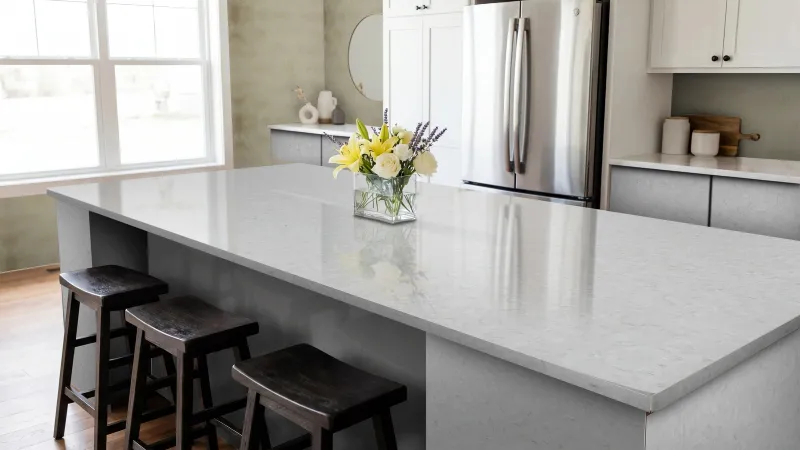
Marble finishes influence how a surface looks, feels, performs, and responds to everyday use. Polished marble offers a glossy, reflective appearance that highlights natural veining. Honed marble has a smooth, matte surface suited to understated interiors and many flooring applications. Leathered marble introduces a subtle texture and low sheen for a more tactile appearance. The right finish depends on the application, lighting, maintenance expectations, stone variety, and safety requirements.
Choosing marble involves more than selecting the right colour or pattern. The surface finish can completely change how the same stone looks within an interior.
A polished white marble floor creates a bright, reflective appearance, while the same marble in a honed finish produces a softer, understated effect. A leathered finish introduces another dimension through its subtle texture and tactile character.
For homeowners, architects, and interior designers, understanding marble surface finishes is essential to selecting a material that complements both the design vision and the practical requirements of the space.
A marble finish refers to the surface treatment applied during processing to achieve a particular appearance and texture.
The three commonly discussed options are polished, honed, and leathered. Each offers a different balance of reflectivity, texture, and maintenance considerations.
Polished marble has a smooth, high-gloss surface created through progressively finer abrasive processing. It reflects light effectively, enhancing the stone\'s natural colours, mineral patterns, and veining.
Flooring: Polished marble works particularly well in residential living rooms, entrance foyers, and formal spaces where visual impact is important. In areas exposed to water or frequent foot traffic, wet slip resistance must be evaluated carefully.
Wall cladding: Its reflective quality makes polished marble an attractive option for feature walls, reception areas, and decorative panels.
Countertops and vanities: Polished surfaces offer a refined appearance and are relatively easy to wipe down. However, marble remains susceptible to scratching and etching from acidic substances.
Staircases: Polished marble can create an elegant staircase, but additional attention to slip resistance and appropriate edge detailing is essential.
Polished marble can reveal everyday wear more visibly, particularly in kitchens and high-traffic areas. Acidic liquids such as lemon juice and vinegar can also etch the surface, reducing its shine.
Honed marble undergoes abrasive finishing to produce a smooth, low-sheen or matte surface without the strong reflection associated with polishing.
It is popular in contemporary interiors where designers prefer a more natural, subtle appearance.
Residential flooring: Honed marble is frequently considered for bedrooms, living areas, and other spaces where a softer visual finish is preferred.
Bathrooms: It can create a restrained, spa-inspired appearance on floors, walls, and vanity surfaces. For wet floors, however, the actual slip resistance must be assessed rather than assumed from the matte finish.
Kitchen countertops: Honed marble offers a softer aesthetic and can make minor surface wear less conspicuous. However, it still requires careful maintenance because the underlying stone remains vulnerable to acidic spills and staining.
Feature walls: Designers can use honed marble to introduce natural stone character without the strong reflections of a polished surface.
Honed marble is not automatically more durable or chemically resistant than polished marble. It can still develop etching, staining, and scratches.
Its appearance may also change with regular use, particularly in frequently handled areas. Appropriate cleaning and sealing recommendations should be followed for the selected stone.
Leathered marble has a textured surface created through mechanical brushing and finishing processes. It generally has a low sheen and a more tactile appearance than polished or conventional honed marble.
The result is a surface that emphasises natural mineral variation while producing a softer, less reflective finish.
Feature walls: The textured appearance adds depth and visual interest to decorative stone installations.
Kitchen countertops: Leathered marble can create an attractive, natural-looking work surface. However, buyers should assess how the specific texture handles grease, food residue, and routine cleaning.
Vanity tops: It offers an alternative to conventional polished marble in contemporary bathrooms, provided the surface is suitable for the intended maintenance conditions.
Decorative interior applications: Leathered finishes can complement natural wood, metallic details, textured cabinetry, and other tactile materials.
Leathered finishes are not equally suitable for every marble variety. The stone\'s mineral structure, hardness, and natural surface characteristics influence the final result.
Some textures can retain dust, soap residue, or oils more readily than smoother surfaces. Always inspect a physical sample before approving the finish for a large installation.
Feature | Polished | Honed | Leathered |
Appearance | Glossy and reflective | Matte or satin | Textured with subtle sheen |
Surface feel | Smooth | Smooth | Tactile and textured |
Light reflection | High | Low | Low to moderate |
Vein visibility | Strong visual definition | Softer appearance | Emphasises natural texture |
Everyday cleaning | Generally straightforward | Generally straightforward | May require additional attention |
Visible wear | Etching and scratches can stand out | Minor etching may be less noticeable | Texture can disguise some minor marks |
Design character | Classic and luxurious | Minimal and understated | Natural and contemporary |
No finish is universally superior. Selection should reflect the stone variety, intended application, maintenance expectations, and project conditions.
The best approach is to consider the functional requirements of the space before finalising its appearance.
Application | Finish to consider | Main consideration |
Living room flooring | Polished or honed | Reflectivity and foot traffic |
Bedroom flooring | Honed or polished | Desired visual atmosphere |
Bathroom flooring | Appropriately tested honed or textured finish | Wet slip resistance |
Kitchen countertops | Polished, honed or leathered | Cleaning and etching expectations |
Feature walls | All three | Lighting and design character |
Staircases | Suitably treated honed or textured finish | Safe traction and edge details |
Vanity tops | Polished, honed or leathered | Cleaning and water exposure |
For wet floors, request relevant slip-resistance test results for the actual stone and finish. Texture alone does not guarantee a safe walking surface.
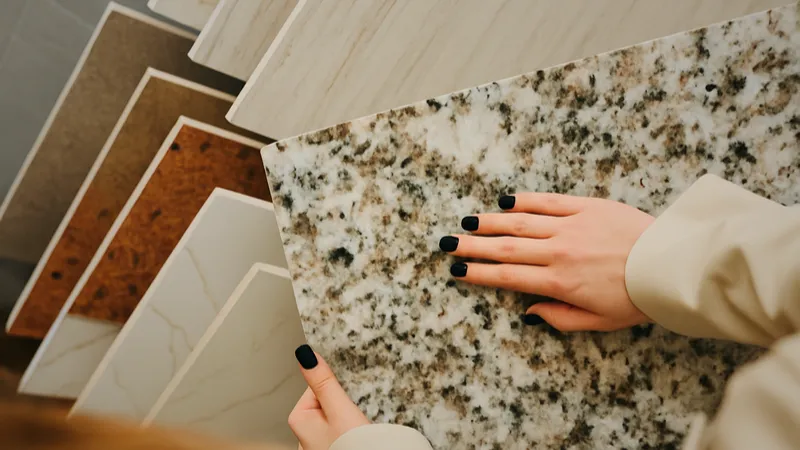
Before approving a marble finish, examine samples under the project\'s actual lighting conditions. A surface that looks subtle under showroom lighting may appear considerably different under direct sunlight or warm interior lighting.
Although the finishes differ in appearance, they do not fundamentally change marble\'s mineral composition.
Marble is generally calcium-carbonate-based and remains vulnerable to acidic substances regardless of whether the surface is polished, honed, or leathered.
A few practical precautions can help maintain its appearance:
Sealing may reduce liquid absorption, but it does not prevent acid etching.
Honed marble is often considered for flooring because of its understated appearance and reduced glare. However, the actual suitability depends on traffic, moisture exposure, stone characteristics, and tested slip resistance.
Not necessarily. Both finishes use the same underlying natural stone. Their differences are primarily visual and textural rather than a universal difference in structural durability.
It can. Textured surfaces may retain dust, grease, and residue more readily than smooth finishes. The cleaning effort depends on the depth and consistency of the texture.
Yes. Many marble varieties are available in multiple finishes, although the final result depends on the stone\'s characteristics and processing suitability.
Polished, honed, and leathered marble can all be used for countertops. The choice depends on the desired appearance, cleaning preferences, and willingness to manage etching, staining, and surface wear.
Polished, honed, and leathered marble each offer a distinct design character. Polished finishes emphasise shine and natural veining, honed finishes provide a softer matte appearance, and leathered finishes introduce tactile texture.
The right choice comes down to matching the finish with the intended application, surrounding materials, lighting, and maintenance expectations.
For an upcoming residential or architectural project, explore the marble collections at Paradigm Surfaces and consider how different finishes can influence the final design.
Discover more inspiration in Stunning Marble Ideas for Attractive Interiors and explore the distinctive appearance of Calacatta Marble: The Ultimate Luxury for Your Home.

Whatsapp Chatx
Hi! Click one of our representatives below to chat on WhatsApp or send us email to sales@paradigmquartz.in
 |
Contact Us +91 99440 00900 |

 11 November, 2026